


Frequently asked questions
Everything you should know before your day at Rainbow Mountain: altitude, weather, what to bring and how the day works.
Choosing your tour
What is the difference between Vinicunca, Palccoyo and Pallay Punchu?
Vinicunca is the famous striped ridge: the most photographed and the most demanding, at roughly 5,100–5,200 m (about 17,000 ft), with around 3 to 4 hours of walking. Palccoyo is quieter and gentler, at about 4,900–5,000 m, with a shorter walk of roughly 1.5 to 2 hours. Pallay Punchu (Apu T'acllo) is the shortest and easiest, at about 4,700 m, with colorful hills you reach after a short walk.
All three are full-day trips from Cusco. If you are worried about the altitude or travel with children or older relatives, Palccoyo or Pallay Punchu are the friendlier choices.
Shared tour or private tour: which one should I choose?
On a shared tour you join other travelers with a bilingual guide, which keeps the price lower. A private tour is just for your group, so you set the pace, can stop more often for photos and breathing, and it gets cheaper per person as the group grows. Both follow the same route and are guided by local experts.
What is included and what is not?
Every tour page has an Included and a Not included list, so check the one for your tour. As an example, our shared tour includes hotel pickup in Cusco's historic center, transport, a bilingual guide (English and Spanish), breakfast, lunch, a first aid kit and an oxygen tank. The entrance fee, horse rental, extra drinks, tips and travel insurance are not included.
What is the Red Valley?
The Red Valley is a landscape of deep red and rust-colored hills close to Vinicunca. It is usually an optional extra on the standard day trip, and it is part of our 2-day trek via Ausangate and the Red Valley.
What language are the tours in?
Our guides speak English and Spanish. Tell us if you need a particular language when you write to us and we will do our best to arrange it.
Altitude & health
How high is Rainbow Mountain?
Vinicunca reaches roughly 5,100–5,200 m above sea level (about 16,700–17,000 ft); different sources measure it slightly differently. Palccoyo is about 4,900–5,000 m and Pallay Punchu about 4,700 m. For comparison, Cusco sits at around 3,400 m.
How do I avoid altitude sickness?
Spend at least 2 to 3 days in Cusco before the trip so your body can adjust. Drink plenty of water, eat lightly, avoid alcohol and smoking, and walk slowly, with small steps and steady breathing. Coca tea or coca candies are the traditional local remedy. Tell your guide straight away if you feel dizzy, get a headache or feel short of breath. If you take or want to take altitude medication, ask your doctor before you travel.
What happens if I feel unwell during the hike?
Your guide watches the group and can slow down, rest or turn back with you. Our tours carry a first aid kit and an oxygen tank, and at Vinicunca horses are available for part of the climb (paid in cash on site). Going down quickly is the most effective cure for altitude sickness, so never hide symptoms.
Is there an age limit? Is it safe for children or older travelers?
There is no official age limit, but the altitude affects everyone differently. Children, travelers over 60 and anyone with heart, lung or blood-pressure conditions, or who is pregnant, should talk to their doctor first. Palccoyo and Pallay Punchu are much easier than Vinicunca, so they are the better options for families and for anyone who wants a gentler day.
How hard is the hike and how fit do I need to be?
Vinicunca is rated challenging, mostly because of the thin air rather than the distance: it is roughly 6–7 km round trip, with a steep final stretch. You do not need to be an athlete, but you should be able to walk several hours at a slow pace. Palccoyo is easy to moderate and Pallay Punchu is easy. Regular walking in the weeks before your trip helps.
Should I get travel insurance?
We recommend it. Check that your policy covers trekking at altitudes above 5,000 m and medical evacuation, since some standard policies stop at lower altitudes.
Weather & best time
When is the best time to visit?
The dry season, from April to October, brings the clearest skies and the most vivid colors. June to August is the busiest period and also the coldest, so May and September are good choices if you want fewer crowds. The rainy season runs from November to March, with January and February the wettest; you can still go, but views are less reliable.
What is the weather like at the top?
Cold, dry and windy. Daytime temperatures at the top are often between 7 and 15 °C, and it feels colder with wind or cloud. Snow is possible between June and August, and rain can appear at any time of year. Mornings are usually clearer and safer than afternoons, which is why tours leave so early.
Does it really look like the photos?
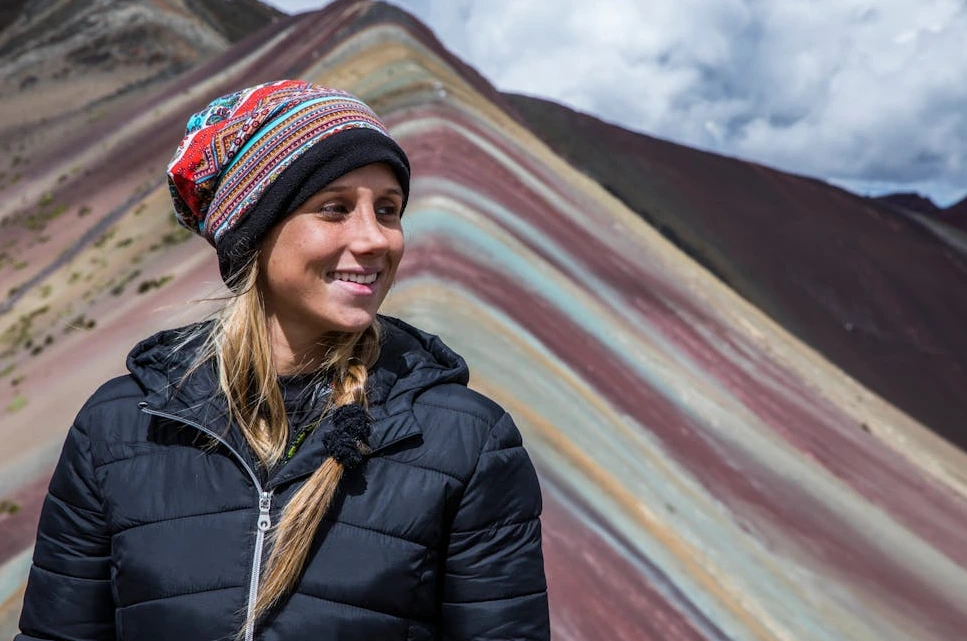
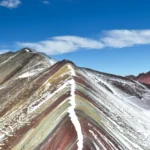
The colors are real, but they are most vivid in sunny, dry weather and good light. Photos online are often edited and boosted, so expect softer tones than some pictures show. Cloud, rain or fresh snow can mute the colors on the day, which is why the dry season and early starts give you the best chance.
What to bring
What should I bring?
Warm layers (thermal underwear, fleece, a windproof jacket), hat, gloves and a scarf; sturdy hiking shoes or boots with good grip and warm socks; a rain jacket or poncho; sunscreen, sunglasses and a sun hat; at least 1.5 to 2 liters of water and some snacks; a small daypack; toilet paper and hand sanitizer; your camera with spare batteries; and any personal medication.
Do I need cash?
Yes, bring small bills and coins in soles. You will need them for the entrance fee (if not included in your tour), toilets, snacks and drinks sold by local vendors, horse rental and tips. Do not count on finding an ATM on the way, so get your cash in Cusco.
How much is the entrance fee?
The entrance fee goes to the local communities that look after each site, is paid in cash and can change. In 2026 it was about S/ 25 for foreigners at Vinicunca, S/ 20 at Palccoyo and S/ 10 at Pallay Punchu. Check the Included and Not included lists on your tour page to see whether it is covered.
On the day
What time does the tour start and when do we get back?
It is a long day. Our shared tour picks up between 4:20 and 4:50 a.m. from your hotel in Cusco's historic center, with breakfast on the way, and returns between 5:00 and 5:30 p.m. The drive is about 3 to 3.5 hours each way.
Can I go on the day I arrive in Cusco?
We do not recommend it. At 3,400 m Cusco already affects many visitors, and Rainbow Mountain is far higher. Plan it for your second or third day, after you have acclimatized.
Can I rent a horse? Are there toilets?
At Vinicunca, horses can be rented on site for part of the ascent; the price is paid in cash and agreed with the local owners, so ask your guide. There are basic toilets near the start of the trails, usually for a small fee of about 1 sol, and they may not have toilet paper, so bring your own.
Are drones allowed?
Rules are set by the local communities and can change, and some sites charge a small fee for drones. Always ask your guide before flying, keep clear of other visitors and animals, and never fly over people.
Are there trash cans on the trail?
Facilities are very limited, so please carry out everything you bring in. This is a fragile high-Andean environment looked after by local communities.
Booking
How do I book?
Choose your tour, pick the date and the number of travelers in the booking box, and pay securely by card at checkout. You will receive a confirmation by email. If you would rather talk first, write to us on WhatsApp or by email and we will help you choose.
Can I ask for something that is not on the website?
Of course. Use the form on this page or message us on WhatsApp for special requests, a different date, or a group with particular needs, and we will reply with options.
No question matches your search. Ask us below and we will answer you.